
COVID-19, Hallyu, Soft Power, and Destination Resilience
Mentor: Bomi Kang, Marketing, Hospitality and Tourism Management
Students: Benjamin Dolak, Karaline Fandrich, Isabelle Hyson
Benjamin Dolak
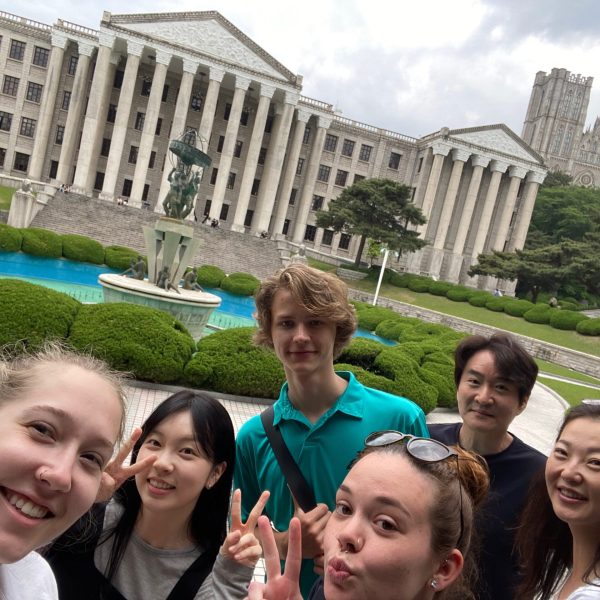
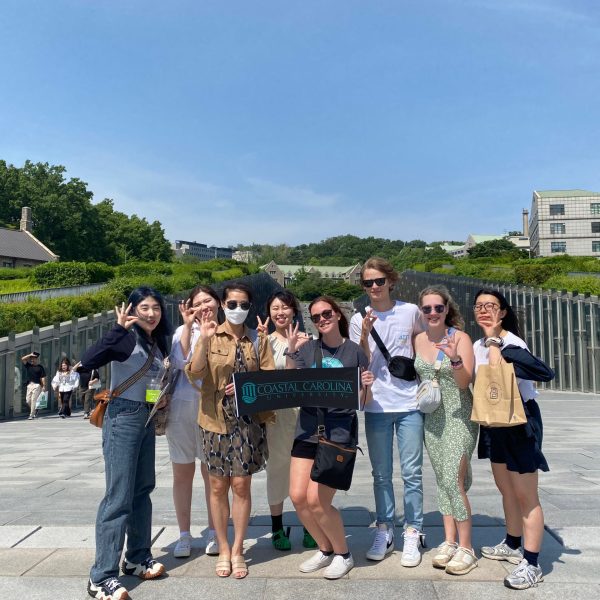
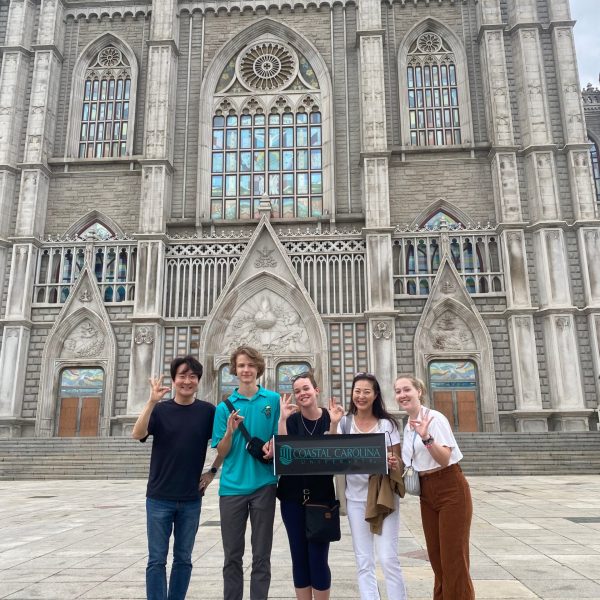
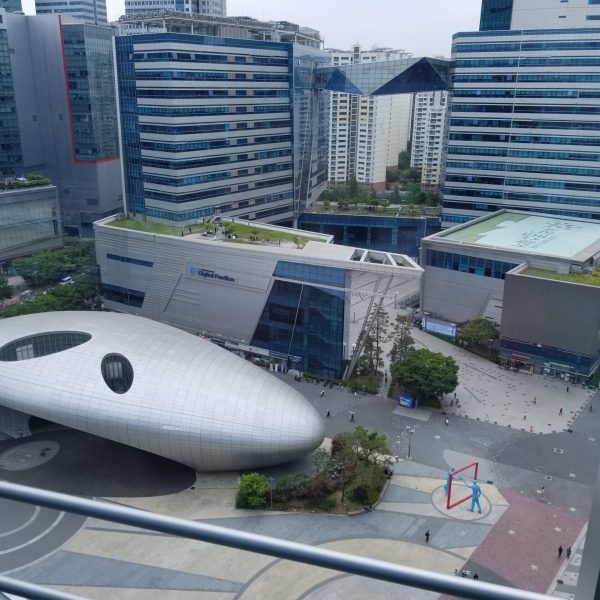
During our time in Korea, we were able to participate in a wide array of activities, and I felt we immersed ourselves in the culture to our full capabilities. Firstly, we were able to gain insight into what a typical day of university looks like in Korea compared to the United States. We toured both Ewha Women’s University and Kyung Hee university with local university students and faculty. Much of the architecture is different than what I am used to, such as the huge underpass entrance to Ewha. However, the daily flow at these universities seemed close to what I am used to. One thing that was very different was the traditional Hanok on campus, in which we swapped our sneakers for slippers to enter. In this space, we learned about the history on the university, including women pioneers for both Korea and the globe. I found that Koreans seem to have a great sense of pride and a welcoming nature towards visitors to their country. At both universities, I felt very welcome and safe. We even had a professor offer to buy us beverages from a local campus café. Overall, the trip was an amazing experience and I learned so much about Korean culture and local people. We learned lots of valuable information regarding hyperlocal tourism and driving factors towards tourism in Korea, as well as getting a glimpse into living like a local in Korea.
Karaline Fandrich
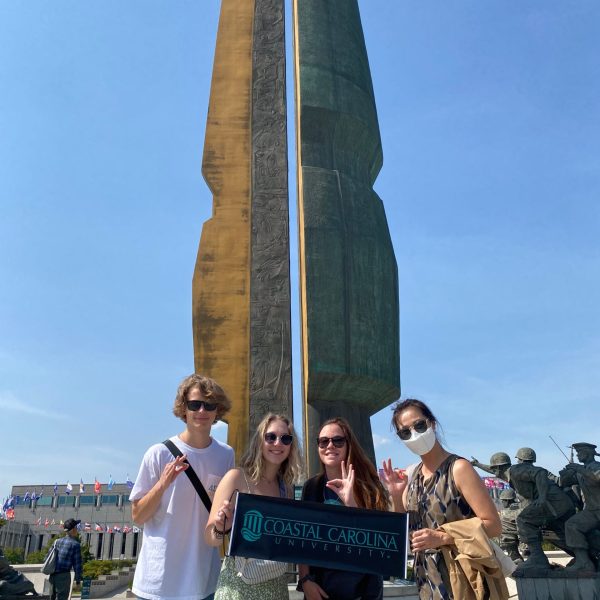
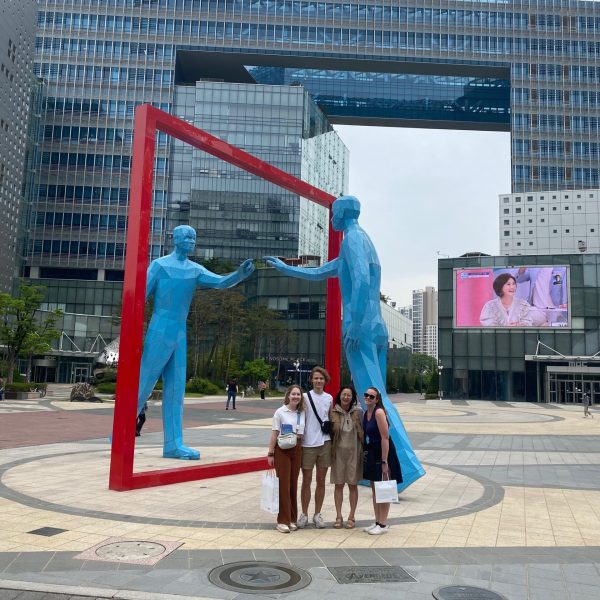
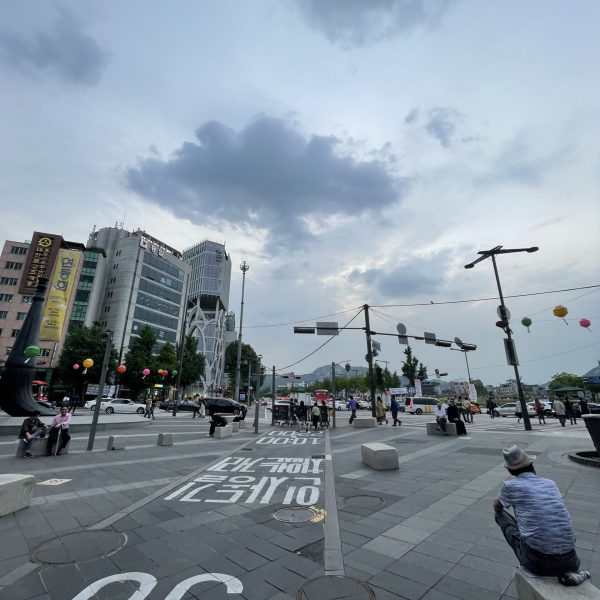
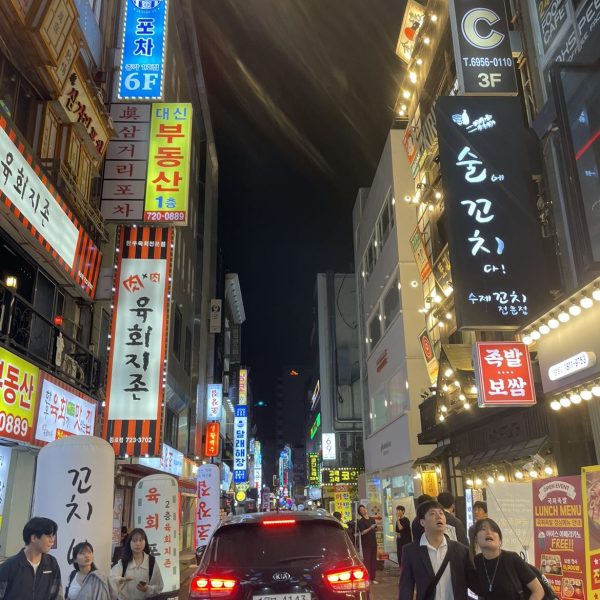
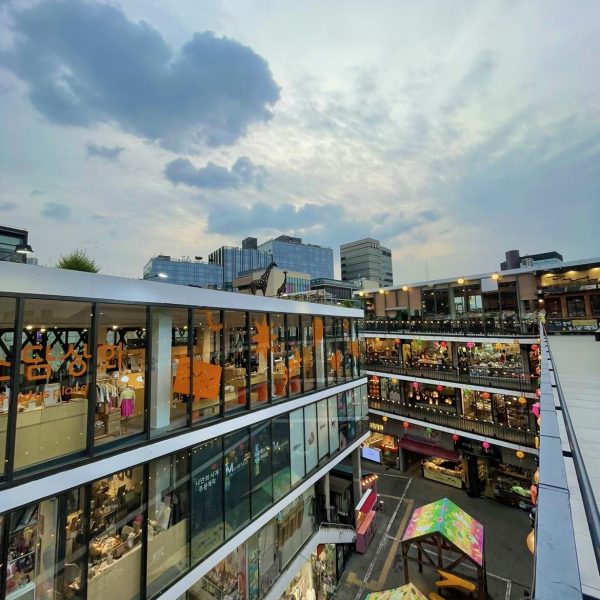
Our daily adventures in Korea introduced us to a world of daily protests, lively festivals, and bustling markets, which was a far cry from the suburban culture of South Carolina. Wandering through markets selling everything from fresh fish and mouthwatering dumplings to aromatic coffee, trendy clothes, and enticing alcoholic beverages allowed us to interact directly with local vendors and curious visitors. This deep dive into Korean daily life gave us a genuine, real-world perspective on key aspects of our project, like urbanization, economic transition, and sustainable development. Throughout this transformative journey, we gained a broader perspective on the deep gratitude expressed by other countries toward the United States and its past contributions, especially in terms of its military efforts. Witnessing Koreans’ open and welcoming nature towards foreigners was refreshing and reinforced the importance of global diplomacy and cooperation. Reflecting on the gratitude expressed by the Korean people for the United States and their perspective on global issues in Asia had a big impact on how we see the world.
Isabelle Hyson
Throughout my research journey in Korea, I had the opportunity to develop and improve my cross-cultural communication, problem-solving skills, and critical-thinking skills. To obtain my research without prompting an answer from tourists, I had to learn how to use my critical thinking skills to strategize how to extract their own wordings in describing the term of Hyperlocal tourism in their own thoughts and words. This also relied on cross-cultural communication because a question often needed to be reformatted for their comprehension. Both the preparation prior to the trip and activities/research conducted during the trip enhanced my professional skill develop and practical knowledge to better analyze the project results. This has better prepared me for the academic conferences, international education week, and research paper of the upcoming semester, as I will depend on my critical-thinking and oral communication skills to properly relay our research.