
DEI (Diversity, Equity, and Inclusion) in Japan: Old and New Issues
Students: Rachel Clark, Desiree Smith, Aubrey Spaeth, and Megan Taber
Rachel Clark
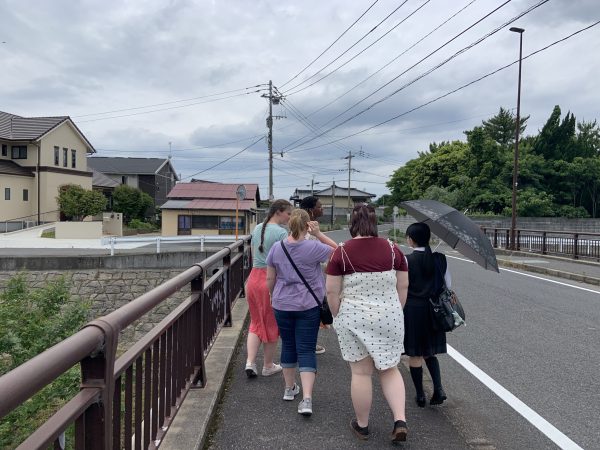
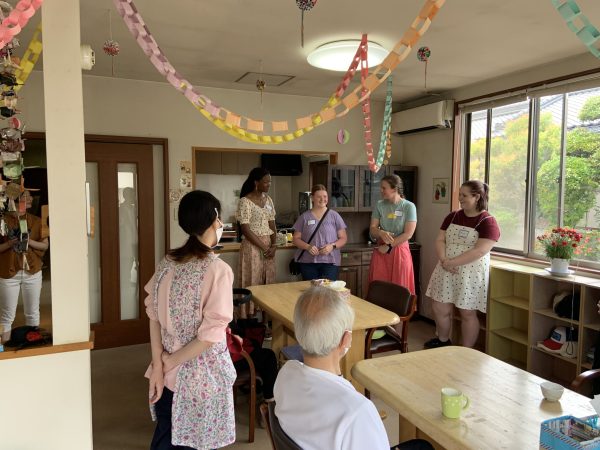
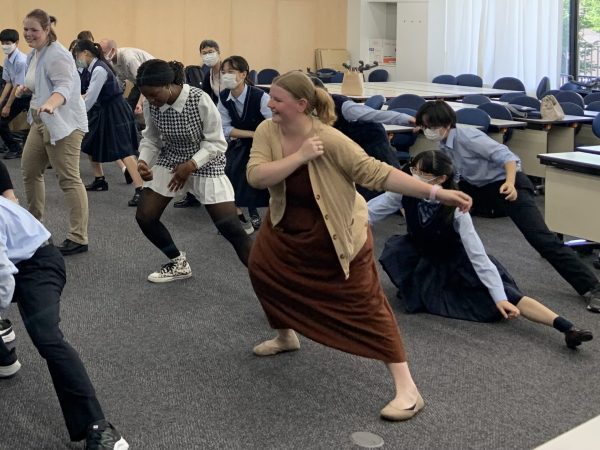
Throughout this project, we visited several different schools helped conduct/conducted several lessons to different audiences, and viewed several different classes. Among Buraku youth and in high school, we did a few English lessons. We taught how to make a peanut butter and jelly sandwich in English and an English lesson that emphasized the difference between similar sounding letters such as v, g, b, z, d, etc. As an aspiring ESL teacher, this allowed me to view the atmosphere of the classroom and helped me get an idea of the kinds of things I might encounter once I begin my career. We have also completed several readings that were assigned, and I think this is similar to continuing education. We have returned from Japan, but we are still learning.
Desiree Smith
I am studying to become an English as a foreign language teacher in Japan. For that purpose, many activities to date will help me in the future. By attending different meetings and conducting interviews, I was able to make connections with individuals who are involved in the educational field. In addition, I was able to learn about Japan’s school culture by spending time in several schools. It showed me the nature of students attending a diverse school in a nation with a seemingly low diversity rate. Leading presentations and activities with Japanese people allowed me to practice leadership as well as improve my pedagogical skills as an aspiring educator. In addition, learning about the different cultures hidden in Japan from interviewees allowed me to develop a sensitivity and openness towards those I may not know as well as those I do.
Audrey Spaeth
I want to prioritize making others feel welcome and included in both my personal and professional life. This involves fostering understanding and appreciation between people of diverse cultural backgrounds, a skill that I have honed through my previous experiences. When conducting interviews, it was crucial for me to establish trust and create a comfortable environment where participants felt comfortable opening up. I conveyed my genuine interest in their experiences and perspectives, and made sure to listen with an open mind. These communication skills will undoubtedly be useful in any future job I pursue.
Megan Taber
During my fieldwork experience, I was able to develop practical skills for my future career by immersing myself in a foreign language and culture. As someone who is interested in teaching this language, the opportunity to learn within this environment was invaluable. Throughout the project, our team visited multiple schools and observed teachers, particularly those instructing Japanese students in English. I found it fascinating to observe the teaching methods and how they differed from what I was used to. Overall, this experience allowed me to expand my knowledge and skills in a meaningful way.