Tibetan Contemplative Practices: Intersection of Mindfulness, Culture, and Science
Host: Timothy Grose, China Studies
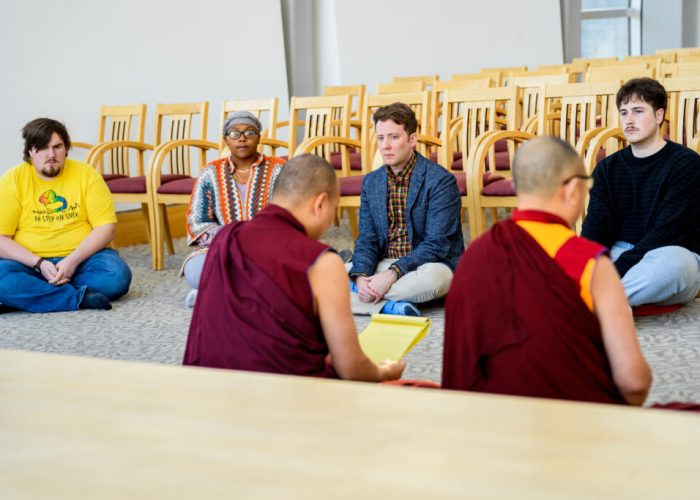
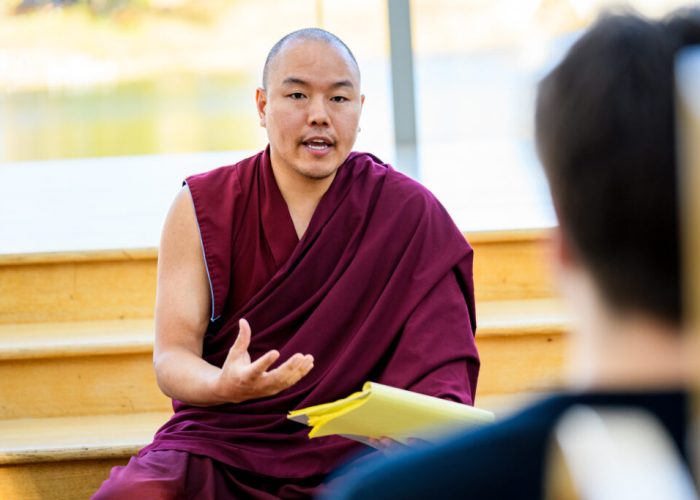
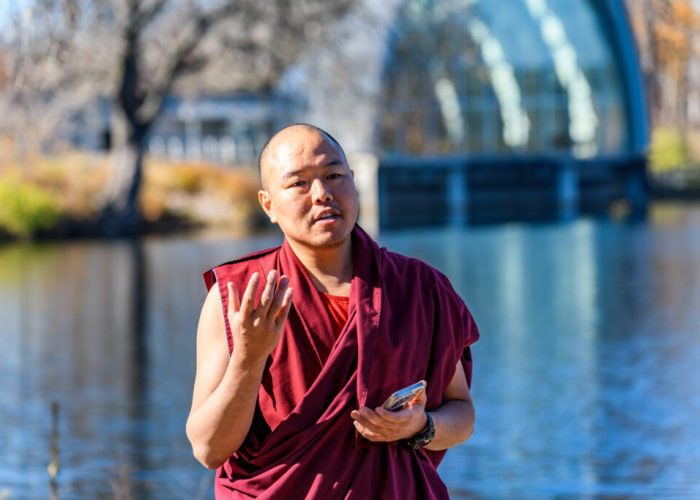
Residents: Geshe Kunga and Tenpa Phuntsok, senior monks from the Tibetan Mongolian Buddhist Cultural Center
Project Abstract
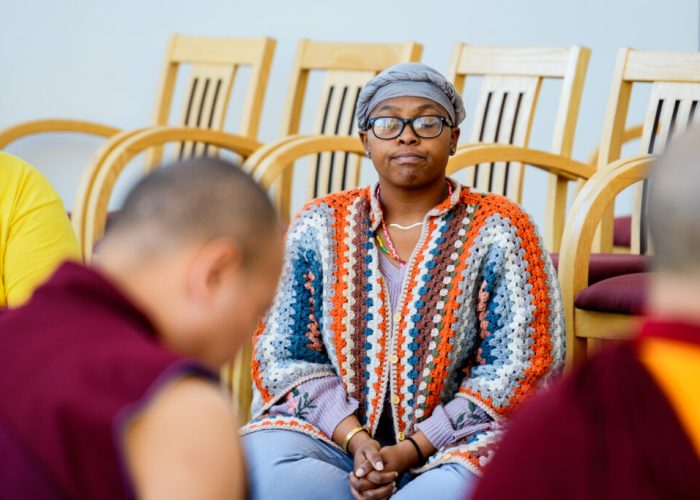
This project proposes an immersive exploration of the intersection between Tibetan Buddhist contemplative practices (e.g., meditation and yoga) and cognitive psychology. Specifically, the funds will facilitate a two-week residency of two senior monks from the Tibetan Mongolian Buddhist Cultural Center (TMBCC) in Bloomington, Indiana to lead members of Rose-Hulman Institute of Technology’s (RHIT) campus community in introductory meditation and yoga practices. In line with the His Holiness the Fourteenth Dalai Lama Tenzin Gyatso’s commitment to reforming monastic curriculum through modern science education (Tenzin 2019), the project will present participants with two epistemically distinct yet complementary perspectives of the mind: Indo-Tibetan introspection and “Western” empirical reductionist frameworks (Koch 2013). Supplemented by directed readings, lectures, journaling exercises, and self-inventories, the meditation and yoga practices will deepen participants’ understanding of the mind while equipping them with lifelong techniques for achieving mindfulness. Throughout the two-week program, the activities and lectures also seek to demystify, de-exotify, and decolonize Tibetan Buddhist cultures: to this end, it will delink these worldviews from colonial hierarchies of “modernity” and elevate them to centers of epistemic authority (Avalos et al., 2019).